mechanics •May 30, 2026
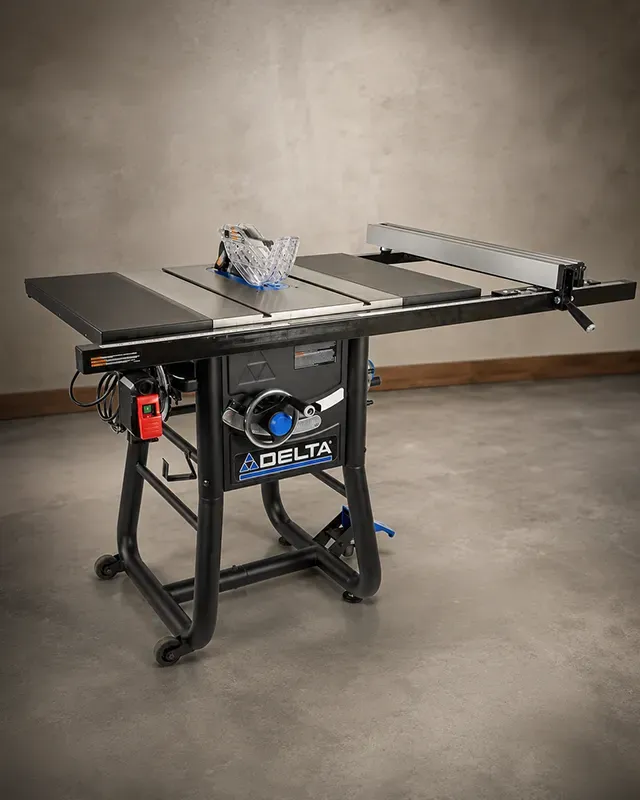
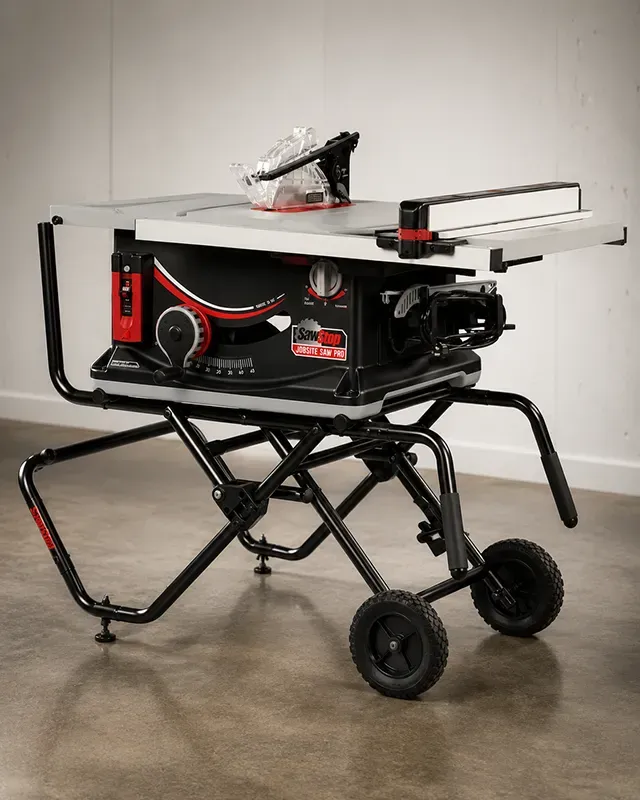
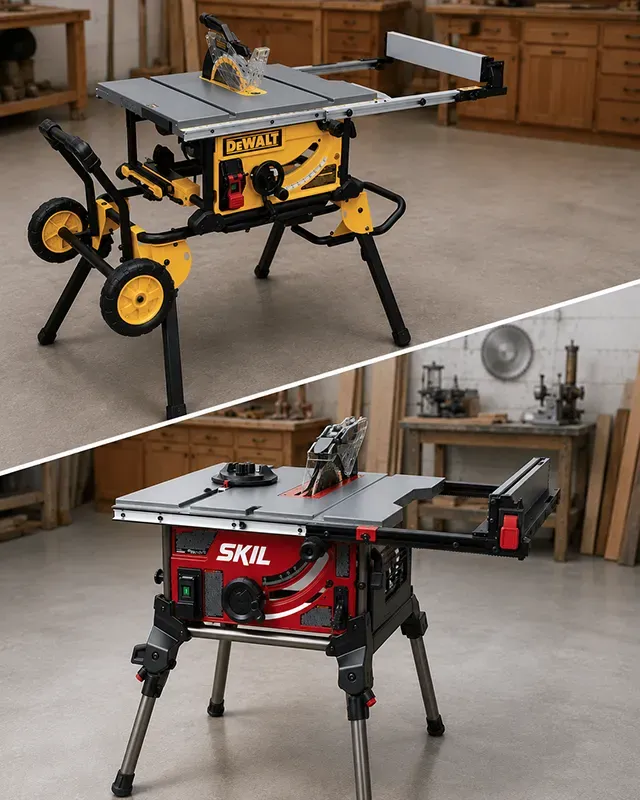
DeWalt DWE7491RS vs Skil TS6307-00: Fence, Stand, and Shop Tradeoffs
Comparing the DeWalt DWE7491RS and Skil TS6307-00 table saws. We look at fence mechanics, stand designs, rip capacity, and ownership tradeoffs.

Specifications, comparison logic, and calculator-based analysis.
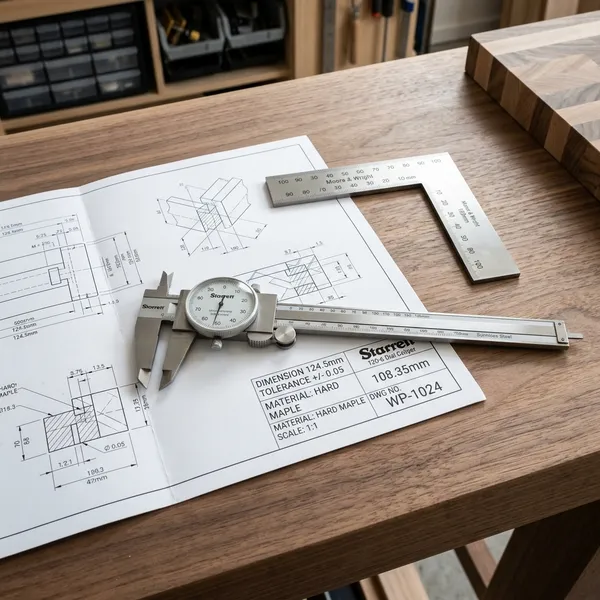
Data-driven side-by-side analysis.
Comparing the DeWalt DWE7491RS and Skil TS6307-00 table saws. We look at fence mechanics, stand designs, rip capacity, and ownership tradeoffs.
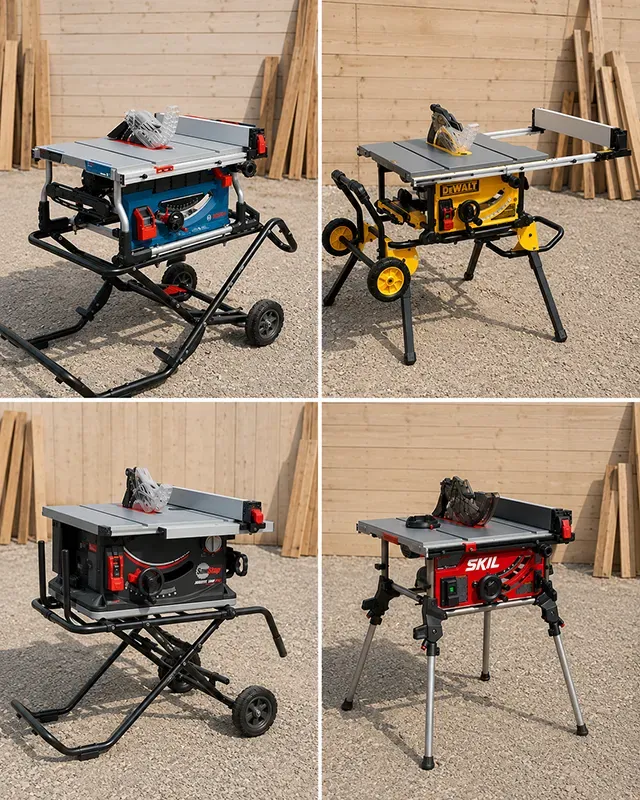
An evidence-led comparison of popular jobsite table saws, focusing on fence mechanics, stand mobility, safety features, and ownership tradeoffs.
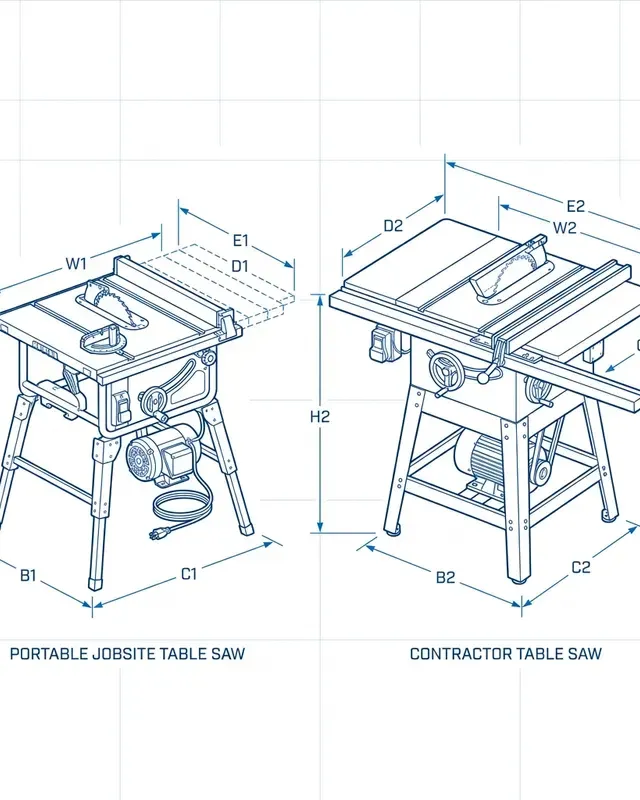
A mechanical comparison of jobsite and contractor table saws, explaining how motor type, table mass, fence design, and support surface change real shop use.
Evidence-based product reviews focused on mechanics and owner feedback.
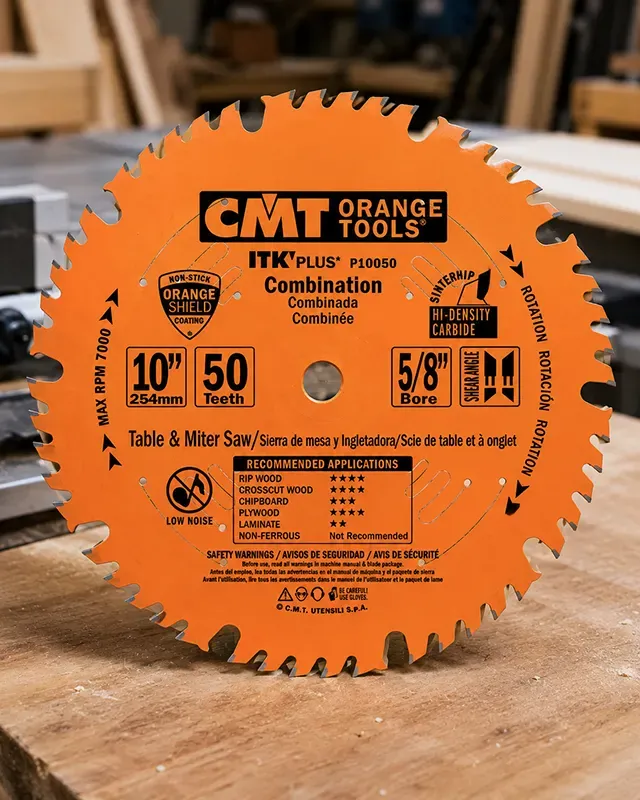
An evidence-based review of the CMT 10-inch 50T combination table saw blade, covering 4+1 tooth geometry, 0.102-inch kerf behavior, owner feedback, and where it fits in a small shop.
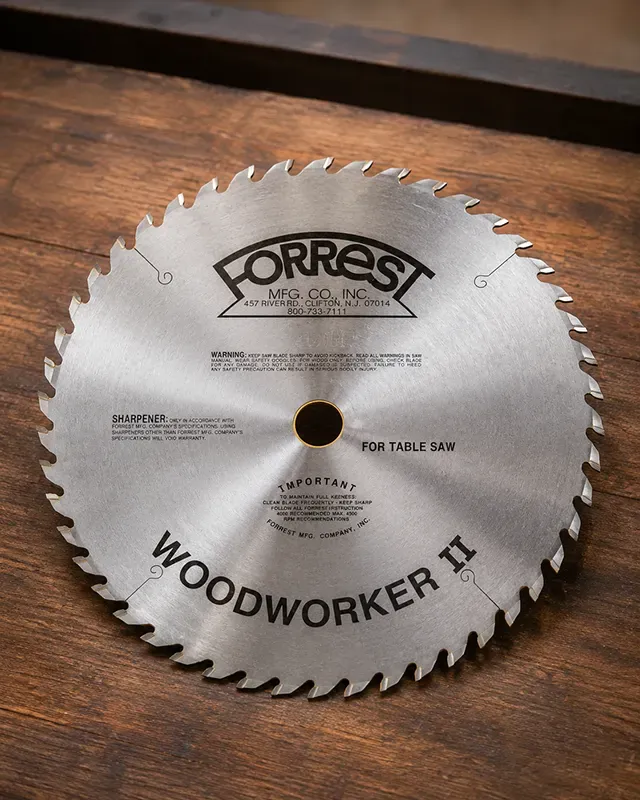
An evidence-based mechanical review of the Forrest Woodworker II table saw blade, analyzing its tooth geometry, plate tensioning, and long-term ownership value.

An evidence-led review of the Diablo D1050X 10-inch 50-tooth combination blade, covering thin-kerf geometry, portable saw motor load, riving knife fit, and joinery tradeoffs.
Deep dives into methodologies and benchmark data.
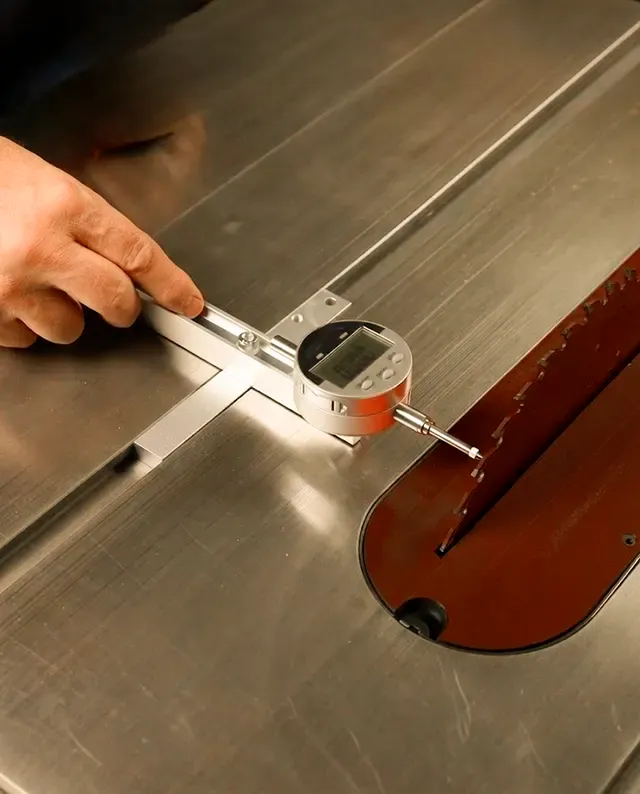
Learn how WoodGearLab isolates table saw blade wobble, arbor flange runout, blade warp, and bearing play using a dial indicator protocol.
Interactive utilities for workshop planning.
Calculate blade-to-miter-slot deviation from front and rear dial indicator readings, with direction, tolerance, and plain-English interpretation.
Convert front and back dial indicator readings into a clear table saw fence alignment interpretation: parallel, slight toe-out, or toe-in risk.
Estimate whether a table saw fits your garage or workshop by calculating saw footprint, material length, infeed/outfeed clearance, and working space.
Check whether a table saw rip capacity is enough for plywood, sheet goods, and common rip cuts before choosing a saw. Enter your sheet width, cut width, and saw capacity to get a clear answer.
Estimate airflow needs from duct diameter, target air velocity, and the number of open ports. This is a planning estimate, not a measured dust collector performance result.
Calculate how much material is lost to saw blade kerf across multiple cuts, including total kerf loss, remaining usable length, and layout warnings for woodworking projects.
We aggregate technical specifications, manuals, and verified community data into a single structured database.
Data points are standardized. We convert metrics so you compare apples to apples across brands.
Our algorithms highlight true performance differences, removing marketing fluff and subjective bias.

Built from structured specifications, manuals, and documented comparisons.
Alex Wright is a data nerd and mechanics enthusiast. He founded WoodGearLab to provide transparent, data-driven analysis and decode the mechanics of woodworking tools. Not a master craftsman — a systems thinker who breaks down specs, aggregates community data, and builds tools that help woodworkers make smarter decisions.
WoodGearLab is funded by reader support. When you buy through links on our site, we may earn an affiliate commission. However, our data, specifications, and comparison logic remain entirely independent.